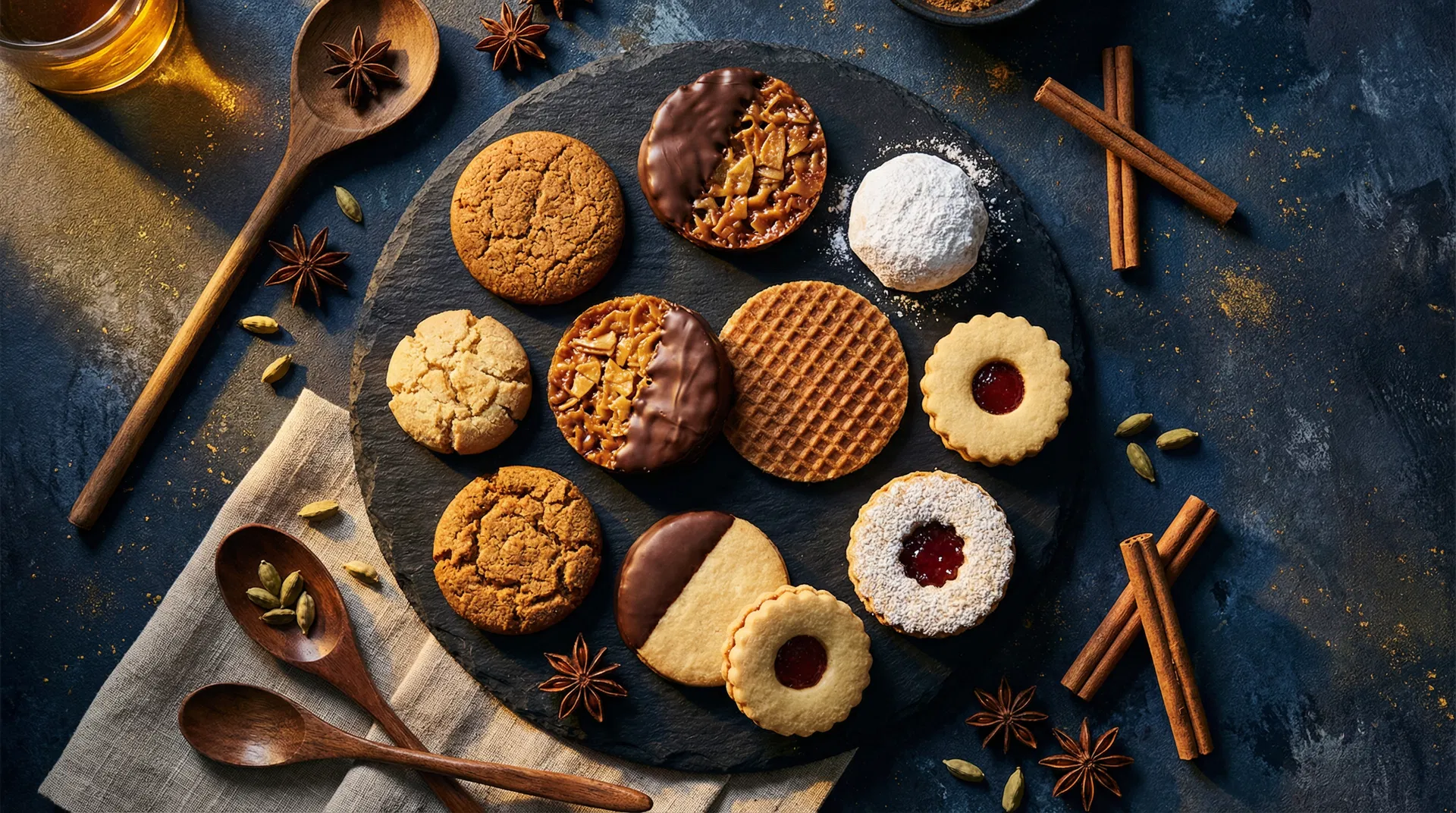
Types of Cookies Around the World: A Passport Made of Dough
Types of Cookies Around the World: A Passport Made of Dough
You don't need a passport to travel the world through cookies. You need flour, butter, and a willingness to try something new.
Growing up in a Puerto Rican household, cookies weren't just a snack — they were a language. Polvorones at Christmas. Galletas de mantequilla with café. Every family gathering had something sweet on the table that told you exactly where you came from. It wasn't until we started baking seriously that we realized: every culture on earth has done the exact same thing. They took what they had — local spices, regional fats, native grains — and turned it into a cookie that said this is us.
This article is a tour of that world. We're covering 20 iconic cookies from every major region, what makes each one special, and what you can learn from them as a home baker. By the end, you'll have a completely different understanding of what a "cookie" actually is — and a list of things to bake that goes way beyond chocolate chip.
What Even Is a Cookie?
Before we go global, let's settle something. In the United States, we call them cookies. In the UK, they're biscuits. In France, they're biscuits or sablés. In Germany, Kekse. In the Netherlands, koekjes — which is actually where the English word "cookie" comes from. The Dutch word koekje means "little cake," and Dutch settlers brought it to America in the 1600s.
The common thread across all of them: a small, individually portioned baked good made from dough or batter, usually sweet, usually eaten by hand. Beyond that, the world does whatever it wants — and that's exactly what makes this so interesting.
Europe: Where the Cookie Tradition Runs Deepest
🇸🇪 Pepparkakor — Sweden
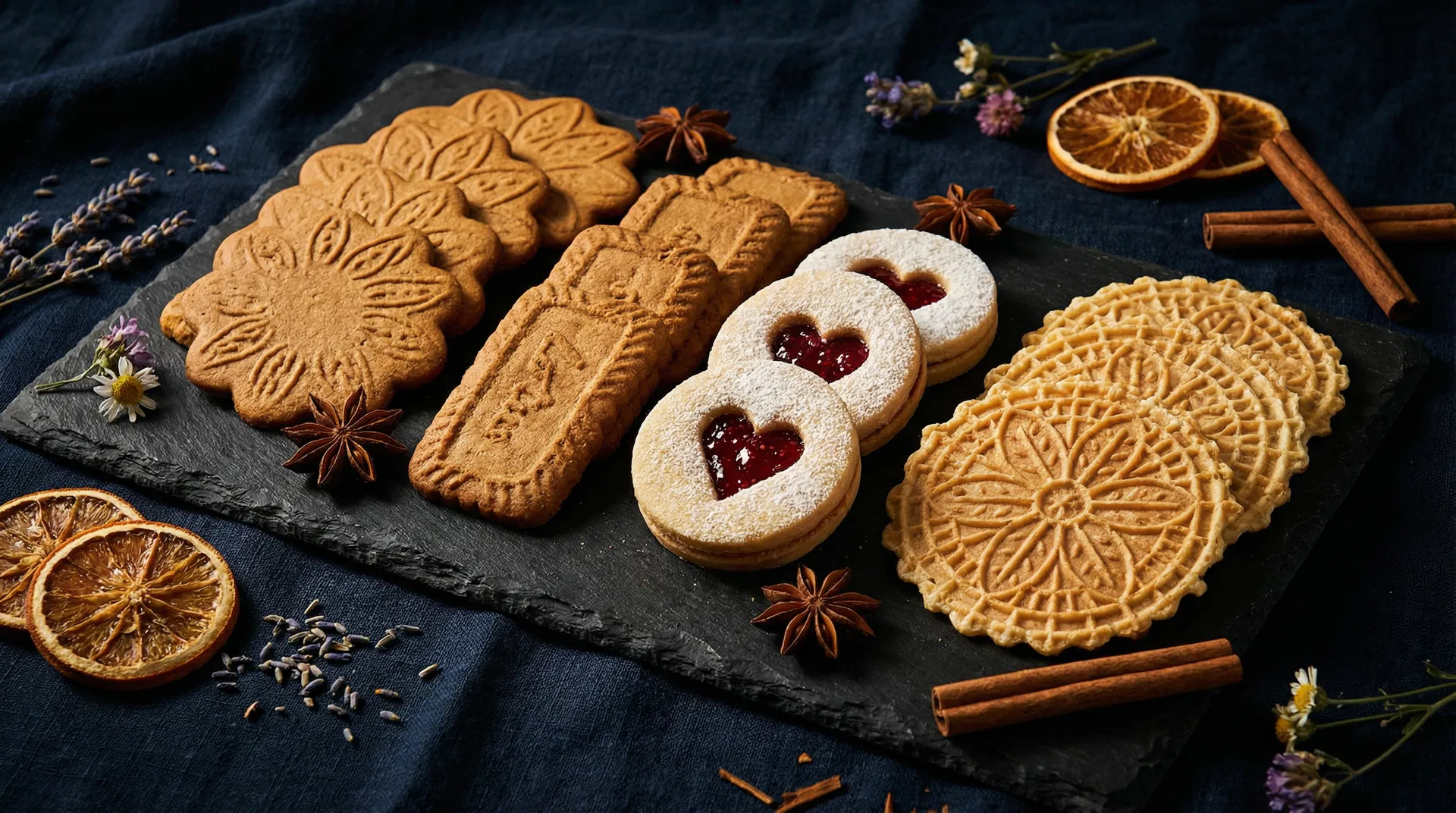
If you've ever walked into an IKEA during the holidays and smelled something warm and spiced, that was pepparkakor. These thin, crispy ginger snaps are Sweden's most beloved cookie — eaten year-round but especially at Christmas. The name literally means "pepper cake," and the spice blend typically includes ginger, cinnamon, cloves, and black pepper.
What makes pepparkakor special is how snappy they are. They're not chewy. They're not soft. They shatter cleanly when you bite them, and that texture is the whole point. Swedish bakers roll them paper-thin and cut them into hearts, stars, and gingerbread people. If you've only ever had thick American gingerbread cookies, pepparkakor will feel like a completely different animal.
- What to learn from it: The thinner you roll a spiced cookie, the more the spices come forward. Thickness mutes flavor. Thinness amplifies it.
🇧🇪 Speculoos — Belgium (and the Netherlands)
You've eaten speculoos. You just might not have known what it was called. If you've ever had a Biscoff cookie — the ones airlines hand out with coffee — that's speculoos. The Belgian version is called speculoos, the Dutch version is speculaas, and they're close cousins.
These cookies are spiced with a blend that varies by bakery and family: cinnamon, nutmeg, cloves, cardamom, white pepper, and ginger are all common. They're pressed into wooden molds carved with windmills, saints, or seasonal scenes before baking, which gives them their distinctive embossed look. The dough is rolled thin and baked until deeply golden — almost caramelized.
The flavor is complex in a way that's hard to describe until you've had a good one. It's warm, slightly bitter from the spices, with a caramel note from the brown sugar. It pairs with coffee the way nothing else does.
- What to learn from it: Brown sugar isn't just a sweetener — it adds caramel depth that white sugar can't replicate. In spiced cookies, it's almost always the right choice.
🇦🇹 Linzer Cookies — Austria
The Linzer cookie is a descendant of the Linzer torte, which is one of the oldest known cake recipes in the world — dating back to 1653 in Austria. The torte was a large tart with a lattice top and a jam filling. At some point, bakers started making individual sandwich cookies in the same style: two rounds of buttery almond shortbread with a jam filling visible through a cutout window on top.
The dough is enriched with ground almonds or hazelnuts, which gives it a slightly grainy texture and a nutty flavor that plain shortbread doesn't have. The jam is usually raspberry or apricot. The powdered sugar dusted on top is non-negotiable.
These are one of the most visually elegant cookies in the world, and they're not as hard to make as they look. The main skill is keeping the dough cold enough to cut cleanly.
- What to learn from it: Nut flours (almond, hazelnut) change the texture of shortbread in a way that's worth exploring. They add fat, flavor, and a slight tenderness that all-flour doughs can't achieve.
🇮🇹 Pizzelle — Italy
Pizzelle are the oldest known cookie in the world, with origins in the Abruzzo region of central Italy going back at least 2,000 years. The name comes from pizze, meaning "round and flat." They're made in a special iron press — similar to a waffle iron but with intricate snowflake or flower patterns — and the result is a paper-thin, crispy wafer that looks like edible lace.
Traditional pizzelle are flavored with anise, which gives them a licorice-like taste that divides people sharply. Modern versions use vanilla, lemon, or almond. They're eaten plain, rolled into cannoli tubes while still warm, or sandwiched with Nutella.
- What to learn from it: Some cookies are really about the tool, not the recipe. A pizzelle iron is a $30 investment that opens up an entirely different category of baking.
🇩🇪 Pfeffernüsse — Germany
- Pfeffernüsse means "pepper nuts," and these small, round spice cookies are a German Christmas staple. They're dense, chewy on the inside, and coated in a thin layer of white icing or powdered sugar. The spice blend is aggressive: black pepper, anise, cinnamon, cloves, cardamom, and sometimes white pepper. There's also often a small amount of molasses or honey in the dough, which gives them a deep, almost medicinal warmth.
They're meant to be made weeks before Christmas and stored in a tin, where they soften and the spices mellow and meld together. Fresh pfeffernüsse are actually too sharp — they need time. This is one of the few cookies that genuinely improves with age.
- What to learn from it: Some baked goods need to rest before they're at their best. Patience is a legitimate baking technique.
🇳🇱 Stroopwafel — Netherlands
The stroopwafel was invented in Gouda, Netherlands, around 1810. It's two thin waffle cookies sandwiched together with a layer of stroop — a caramel-like syrup made from sugar, butter, and cinnamon. The result is a cookie that's crispy on the outside and gooey in the middle.
The traditional way to eat a stroopwafel is to place it on top of a hot cup of coffee or tea and let the steam warm the caramel filling before eating. This is not optional. This is the correct way. The caramel softens just enough to become stretchy without melting, and the whole thing becomes something between a cookie and a warm dessert.
- What to learn from it: Temperature transforms texture. The same cookie eaten cold versus warmed is a different eating experience. Think about how your cookies are meant to be served.
Latin America & Asia: Bold Flavors, Ancient Roots
🇦🇷 Alfajores — Argentina
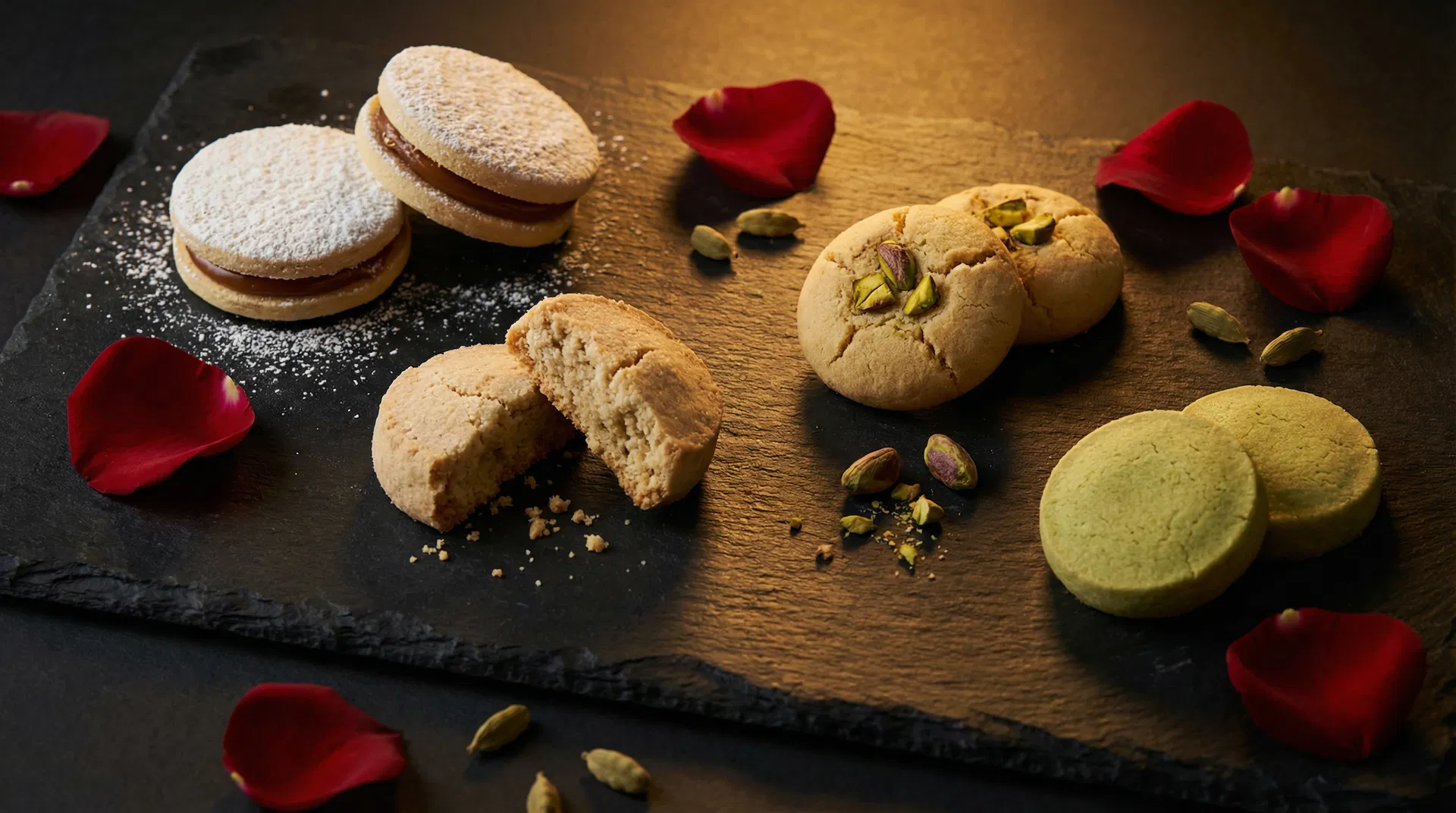
If there is one cookie that represents Latin America more than any other, it's the alfajor. Two soft, crumbly rounds of cookie — made with cornstarch, which gives them their signature melt-in-your-mouth texture — sandwiched together with dulce de leche and rolled in shredded coconut or dipped in chocolate.
The word alfajor comes from Arabic (al-hasú, meaning "the filling"), which traces the cookie's roots back to Moorish Spain. Spanish colonizers brought it to South America, where it was transformed over centuries into what it is today. Argentina takes alfajores so seriously that there are regional styles, brand loyalties, and ongoing debates about which filling-to-cookie ratio is correct.
- What to learn from it: Cornstarch is one of the most underused ingredients in cookie baking. Even replacing 20% of the flour with cornstarch in a shortbread recipe will change the texture dramatically.
🇲🇽 Polvorones — Mexico (and Spain)
Polvorones are Mexican wedding cookies — small, round, nut-studded balls of shortbread rolled in powdered sugar. They're called polvorones from the Spanish word polvo, meaning "dust" or "powder," which describes exactly what happens when you bite into one: they collapse into a cloud of buttery, nutty powder.
The secret is a high fat-to-flour ratio and minimal gluten development. You mix the dough just enough to bring it together — no more. Overmixing activates gluten and makes them tough. The goal is a dough that's almost too crumbly to work with.
- What to learn from it: For ultra-tender cookies, mix less than you think you need to. Undermixing is almost always better than overmixing.
🌍 Ma'amoul — Lebanon, Syria, Palestine, Jordan
Ma'amoul are shortbread cookies stuffed with dates, pistachios, or walnuts and pressed into carved wooden molds that leave intricate patterns on the surface. They're made across the Levant and are central to both Easter and Eid celebrations, depending on the family's religion. This is a cookie that transcends religious boundaries through shared tradition.
The dough is made with semolina, which gives it a slightly grainy texture and a golden color. The filling is spiced with cinnamon and rose water. The molds, called tabi, are passed down through generations and are considered family heirlooms.
Making ma'amoul is a communal activity. Families gather to fill and press hundreds of cookies at once, then distribute them to neighbors and relatives. The cookie is as much about the ritual as the eating.
- What to learn from it: Semolina in cookie dough adds texture and color that all-purpose flour can't replicate. It's worth experimenting with.
🇮🇳 Nankhatai — India
Nankhatai is India's answer to shortbread — a ghee-based, cardamom-scented cookie that's been baked in the subcontinent since at least the 16th century. The name comes from Persian: nan (bread) and khatai (biscuit). The dough uses a combination of all-purpose flour, semolina, and chickpea flour (besan), which gives nankhatai a crumbly, melt-in-the-mouth texture that's different from any Western shortbread. The fat is ghee — clarified butter — which has a nuttier, more complex flavor than regular butter.
- What to learn from it: Ghee makes a noticeably different cookie than butter. If you've never baked with it, nankhatai is the perfect introduction.
🇯🇵 Matcha Shortbread — Japan
Japanese matcha shortbread is precise and restrained. The dough is typically made with high-quality matcha, European-style butter, and a small amount of sugar — the goal is to let the bitter, grassy flavor of the matcha come through without being overwhelmed by sweetness. The cookies are often cut into simple geometric shapes and baked until just set, not golden. The result is a cookie that tastes like nothing else — earthy, slightly bitter, buttery, and elegant.
- What to learn from it: Bitterness is a legitimate flavor in desserts. Matcha, coffee, and dark chocolate all work in cookies precisely because they balance sweetness rather than add to it.
🇨🇳 Almond Cookies — China
Chinese almond cookies are a staple of Chinese New Year celebrations and dim sum bakeries. They're round, golden, and marked with a single almond pressed into the center. The texture is crumbly and tender — closer to a shortbread than a chewy drop cookie — and the flavor is pure almond. Traditional Chinese almond cookies were made with lard, which gives them a particular tenderness and a slightly savory undertone that butter can't replicate.
- What to learn from it: Lard is not the villain it was made out to be in the 1990s. In cookies and pastry, it produces a tenderness and flakiness that's genuinely different from butter.
Oceania & North America: Simple, Honest, Built to Last
🇦🇺🇳🇿 ANZAC Biscuits — Australia & New Zealand
ANZAC biscuits have one of the most meaningful origin stories in cookie history. During World War I, the wives and mothers of Australian and New Zealand Army Corps (ANZAC) soldiers needed to send food that could survive the long sea voyage to the front lines. They developed a recipe using ingredients that wouldn't spoil: rolled oats, coconut, golden syrup, butter, flour, and sugar — no eggs, which would have gone bad.
There's a legal protection around the name in Australia — you can't sell something called an "ANZAC biscuit" unless it closely follows the traditional recipe, out of respect for the soldiers it commemorates.
- What to learn from it: Eggs are not always necessary. The ANZAC biscuit proves that a cookie can be chewy and satisfying with golden syrup and butter doing all the binding work.
🇺🇸 The Chocolate Chip Cookie — United States
The chocolate chip cookie, invented by Ruth Wakefield in 1938 at the Toll House Inn in Massachusetts, is the most replicated cookie recipe in the world. It's been adapted thousands of times — browned butter, rye flour, miso, tahini, espresso — but the original formula remains the template against which all other cookies are measured.
What makes the American chocolate chip cookie distinct from every other cookie on this list is its intentional imperfection. It's meant to be irregular — crispy edges, chewy center, pools of melted chocolate, slightly underbaked in the middle.
- What to learn from it: Underbaking is a technique, not a mistake. Pulling cookies from the oven when they look underdone and letting them finish on the hot pan is how you get that chewy center.
🇨🇦 Nanaimo Bars — Canada
Nanaimo bars are a three-layer Canadian classic from Nanaimo, British Columbia: a base of crushed graham crackers, cocoa, and coconut; a middle layer of custard-flavored buttercream; and a top layer of chocolate ganache. They're chilled until set and cut into squares. No baking required for the main layers.
- What to learn from it: Not every "cookie" needs an oven. No-bake bar cookies are a legitimate category worth exploring.
A World of Cookies, One Universal Truth
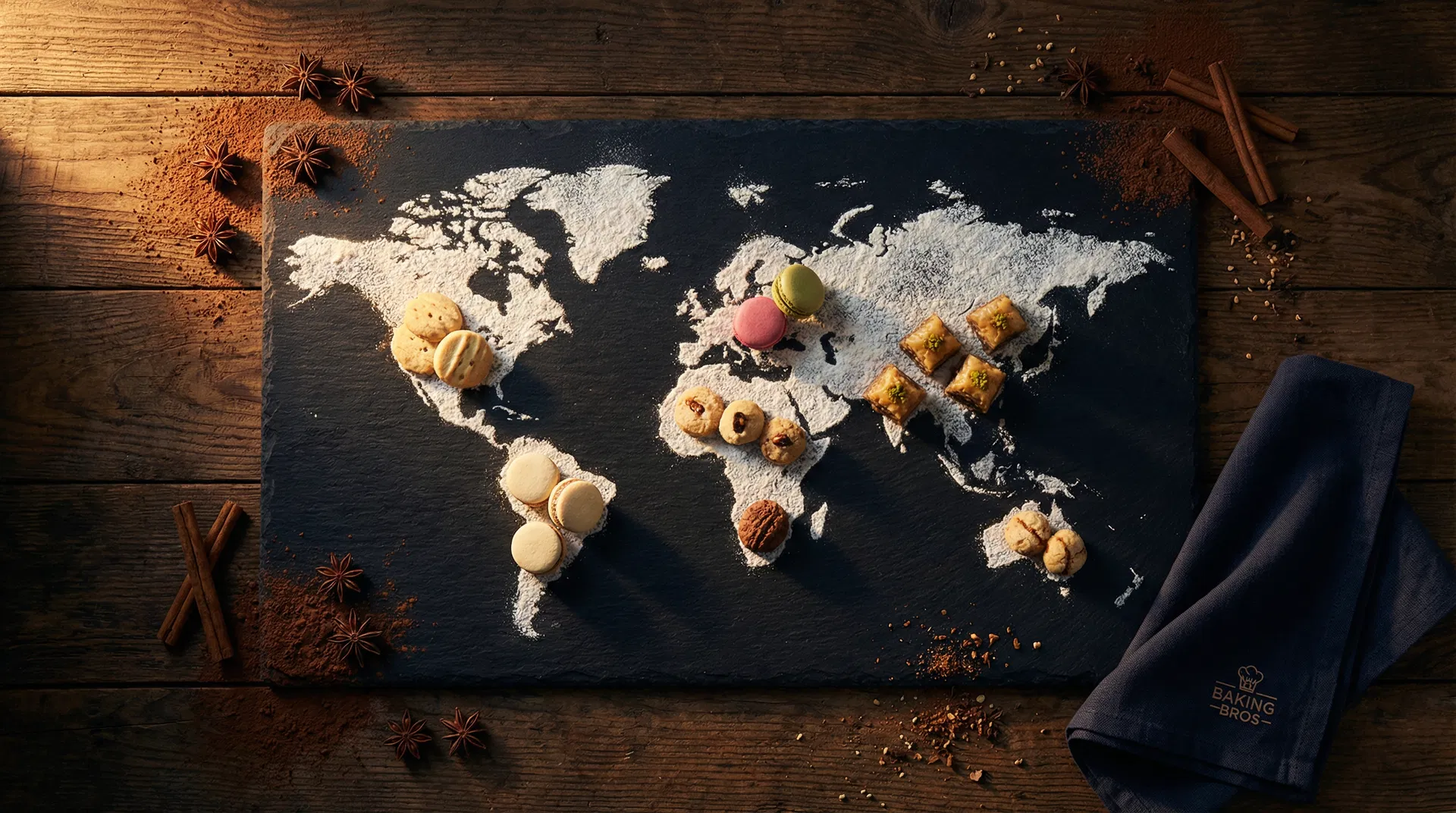
After going around the world in 20 cookies, here's what stands out: every culture figured out the same thing independently. Take local ingredients. Add fat, sugar, and heat. Shape it small enough to hold in one hand. Share it with the people you love.
The Swedish grandmother rolling pepparkakor and the Iraqi grandmother shaping kleicha are doing the exact same thing — they're just using different spices and different molds. That's what cookies are. They're not just snacks. They're cultural memory in edible form.
Quick Reference: 20 Cookies Around the World
| Cookie | Country | Key Ingredient | Texture | Best For |
|---|---|---|---|---|
| Pepparkakor | Sweden | Black pepper, ginger | Thin, crispy | Holiday baking |
| Speculoos | Belgium | Spice blend, brown sugar | Crunchy, caramelized | Coffee pairing |
| Linzer | Austria | Ground almonds, jam | Crumbly, tender | Gift giving |
| Pizzelle | Italy | Anise, waffle iron | Paper-thin, crispy | Cannoli shells |
| Pfeffernüsse | Germany | Black pepper, molasses | Dense, chewy | Make-ahead |
| Stroopwafel | Netherlands | Caramel syrup | Crispy outside, gooey inside | Warm drinks |
| Alfajores | Argentina | Dulce de leche, cornstarch | Melt-in-mouth | Celebrations |
| Polvorones | Mexico/Spain | Lard or butter, nuts | Crumbly, powdery | Weddings |
| Kleicha | Iraq | Dates, cardamom, rose water | Crumbly, stuffed | Eid/celebrations |
| Ma'amoul | Levant | Semolina, pistachios | Grainy, tender | Easter/Eid |
| Nankhatai | India | Ghee, cardamom, besan | Crumbly, melt-in-mouth | Tea time |
| Matcha Shortbread | Japan | Matcha, European butter | Delicate, slightly bitter | Gifting |
| Almond Cookies | China | Almond extract, lard | Crumbly, tender | New Year |
| ANZAC Biscuits | Australia/NZ | Oats, golden syrup | Chewy, hearty | Everyday |
| Koeksisters | South Africa | Fried dough, cold syrup | Crispy, syrup-soaked | Special occasions |
| Chocolate Chip | USA | Chocolate chips, brown butter | Crispy edge, chewy center | Any time |
| Nanaimo Bars | Canada | Graham crackers, custard cream | Layered, rich | No-bake |
| Rugelach | Eastern Europe | Cream cheese dough, jam | Flaky, tender | Holidays |
| Amaretti | Italy | Almond flour, egg whites | Crispy outside, chewy inside | Coffee pairing |
| Kourabiedes | Greece | Ground almonds, butter | Powdery, melt-in-mouth | Celebrations |
The Baking Bros Take
We grew up eating polvorones at Christmas, galletas de coco at family gatherings, and the occasional alfajor when someone came back from a trip to South America. We didn't know we were eating "international cookies." We just knew they were good.
Now that we bake seriously, we look at every cookie on this list as a lesson. The stroopwafel taught us about caramel. The nankhatai taught us about ghee. The ANZAC biscuit taught us that eggs are optional. The pfeffernüsse taught us that some things need time.
The best bakers we know are curious. They don't just make the same five cookies on repeat — they look at what the rest of the world is doing and ask: what can I learn from this?
Start with one cookie from this list that you've never made before. Just one. See what it teaches you.
- — The Baking Bros.
Recommended Tools for Types of Cookies Around the World: A Passport Made of Dough
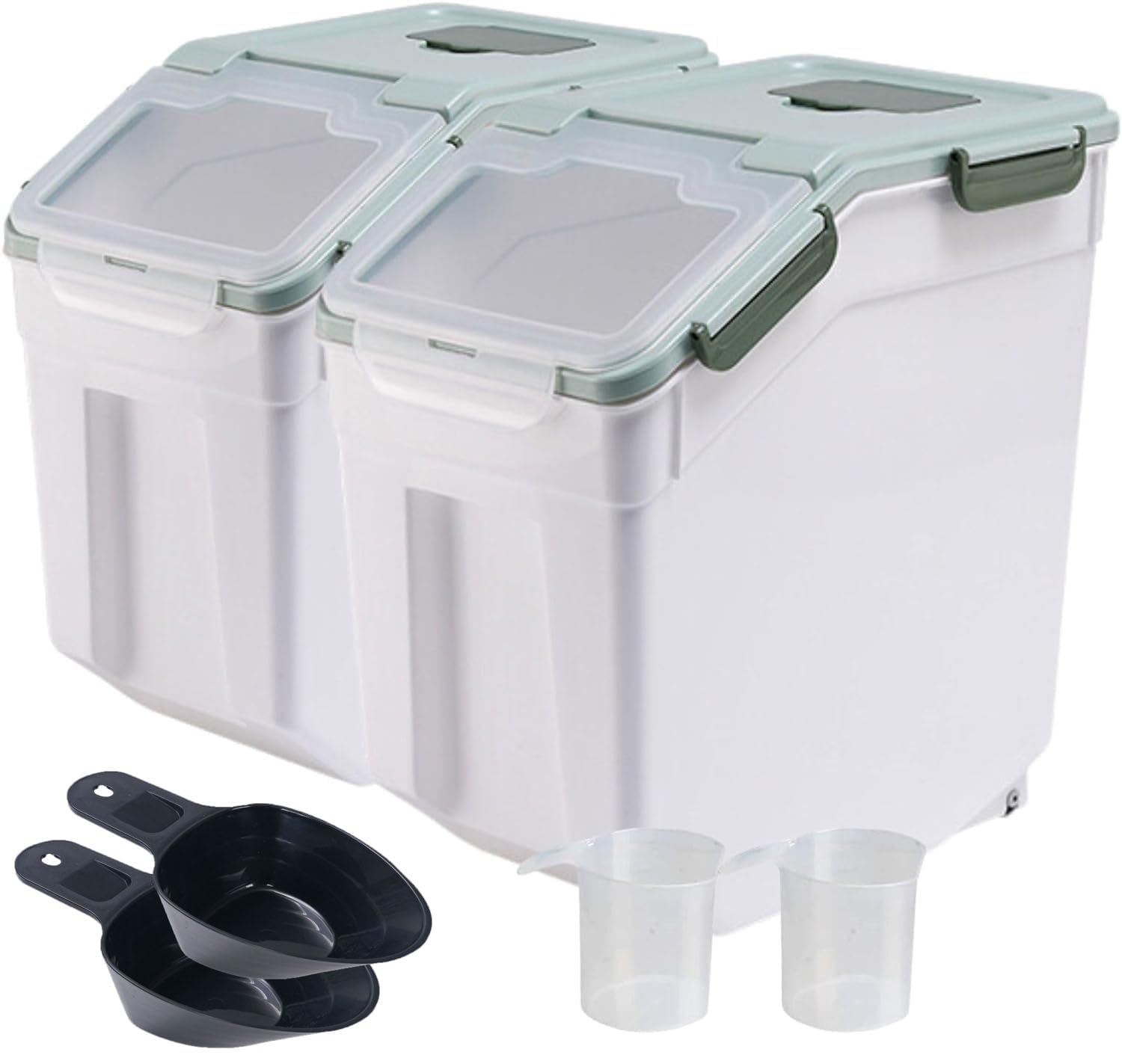
Airtight Flour Storage Containers (Set of 4)
BPA-free airtight containers perfect for storing flour, grains, and baking ingredients. Stackable with easy pour spouts.
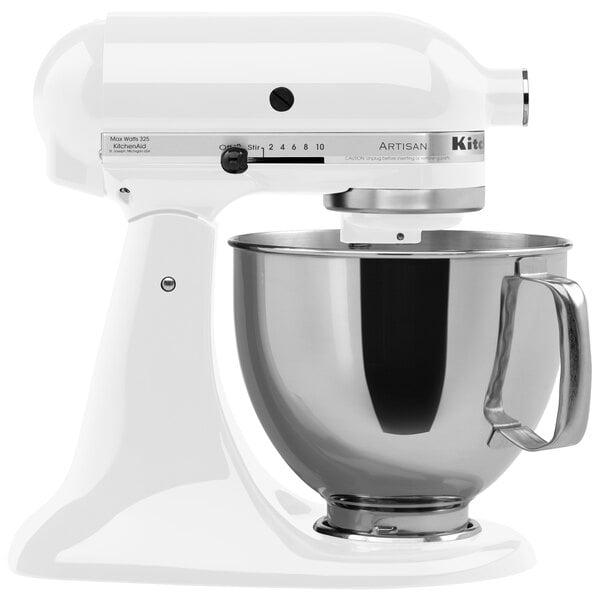
KitchenAid Artisan Series 5-Quart Stand Mixer
Professional stand mixer with 10 speeds, perfect for dough mixing, bread making, and baking. Coated flat mixing paddle and dough hook included.
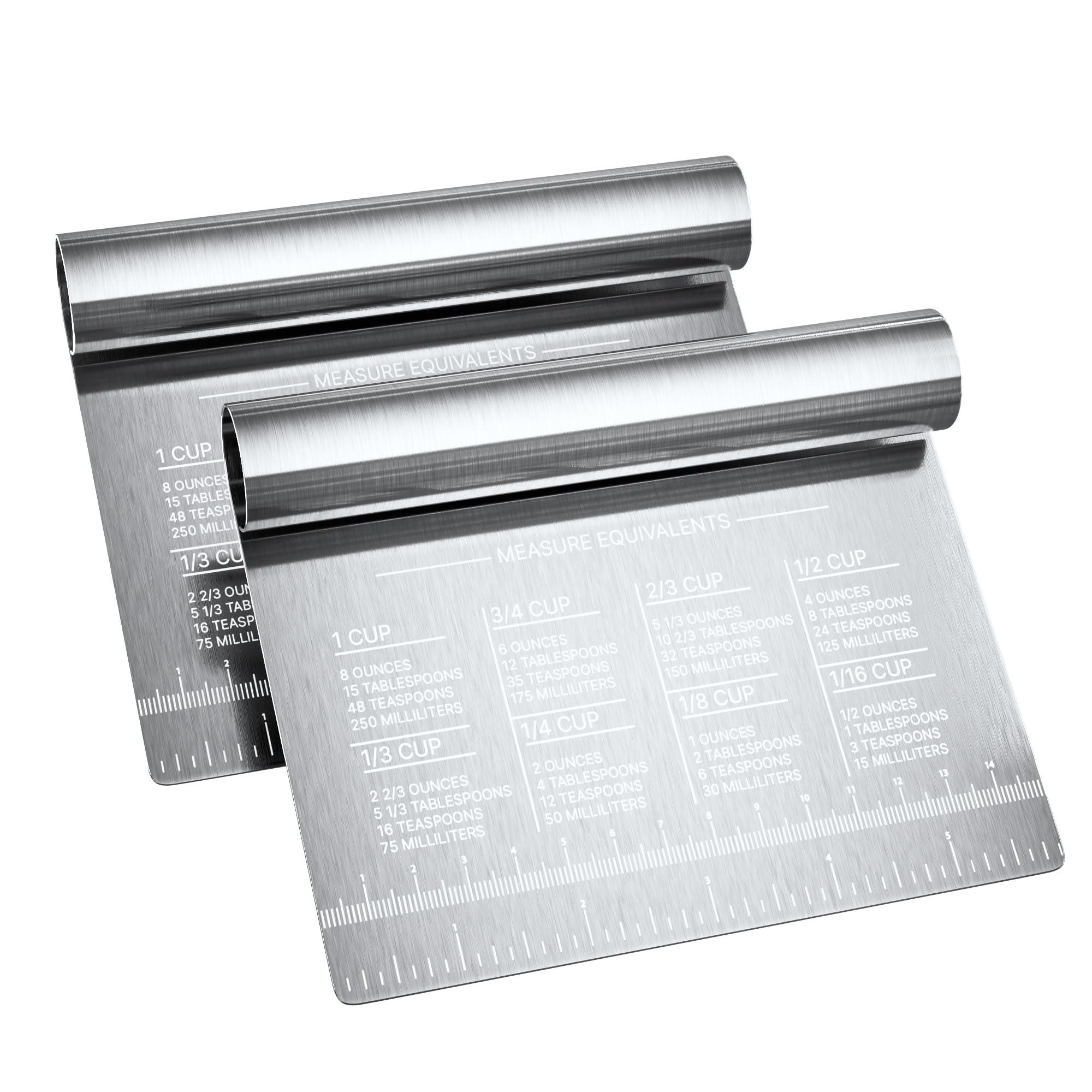
Professional Dough Scraper Set
Complete set of professional dough scrapers for laminated doughs, croissants, and pastries.
Get Your Free Donut Recipe
Subscribe to our newsletter and get instant access to our signature donut recipe, plus weekly baking tips and troubleshooting guides.
Explore Our Full Kitchen
Discover all the tools and equipment we recommend for your baking journey.
Shop My KitchenMore from pastry
More articles coming soon in this category.