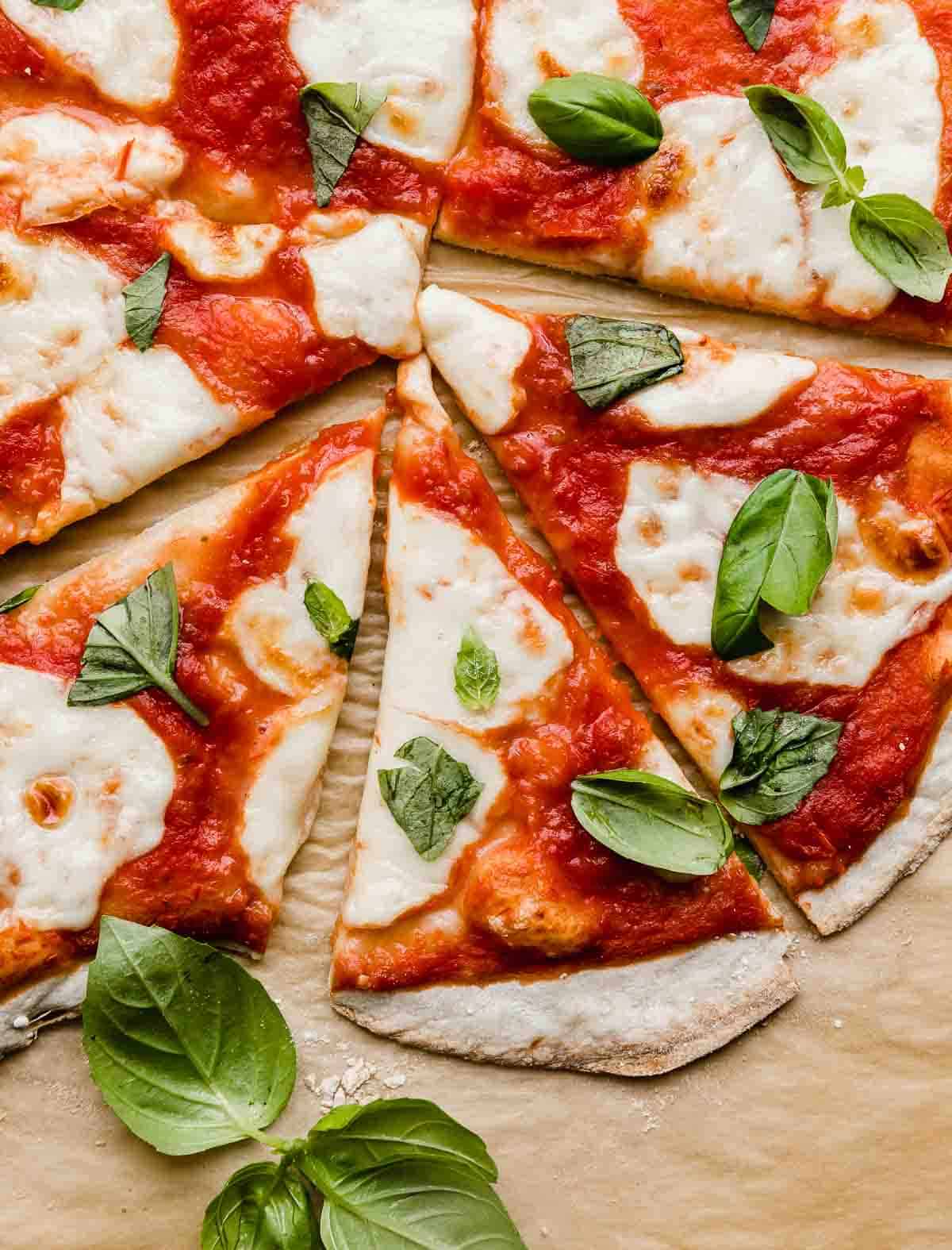
Pizza Margherita: The Legendary Slice That Conquered the World
Pizza Margherita: The Legendary Slice That Conquered the World
From Ancient Flatbreads to Italian Icon
Pizza is more than just food—it's a living history of human civilization. The journey from ancient flatbreads to the iconic Pizza Margherita we know today spans thousands of years, crossing continents and cultures. Understanding this history helps us appreciate why this simple combination of tomato, mozzarella, and basil has become the most recognized pizza in the world.
The Ancient Origins: Where It All Began
The story of pizza doesn't begin in Naples or even in Italy. It begins with humanity's oldest culinary invention: flatbread. Archaeological evidence shows that pizza-like dishes have been prepared since ancient times, with references appearing throughout early history.
In the 6th century BCE, Persian soldiers serving under Darius the Great discovered an ingenious cooking method. They would bake flatbreads directly on their battle shields, topping them with cheese and dates. This wasn't just convenience—it was innovation born from necessity. These ancient soldiers were creating something remarkably similar to modern pizza, thousands of years before the tomato would ever reach Europe.
The ancient Greeks refined this concept further. Citizens throughout Greece made a flatbread called plakous (πλακοῦς), which they flavored with herbs, onion, cheese, and garlic. These weren't simple breads; they were carefully prepared dishes that appeared at important ceremonies and were even used as sacrificial offerings to the gods. The Romans, never ones to miss a good culinary idea, adopted and adapted this tradition. They created flatbreads called adorea or libum adoreum, covered with toppings such as cheese spreads called moretum and various fruits. Paintings of these ancient Roman foods were discovered in Pompeii, frozen in time by the volcanic eruption of 79 CE.
What's remarkable is that these ancient flatbreads survived the fall of empires. Today, descendants of these ancient recipes still exist: focaccia in Italy, pita in Greece, coca in Spain, and piadina in the Emilia-Romagna region of Italy. The fundamental concept—a dough base with toppings—proved so effective that it transcended time itself.
The Medieval Evolution: Pizza Emerges
For centuries after the fall of Rome, flatbread traditions continued in the Mediterranean, but pizza as we know it didn't exist yet. The missing ingredient was literally that—an ingredient. Tomatoes, peppers, and other New World crops didn't arrive in Europe until after Columbus's voyages in 1492. For nearly 300 years, Europeans were suspicious of these strange new plants, often believing them to be poisonous.
It was the poor people of Naples who first embraced the tomato. By the late 17th century, pizza had emerged as street food for the working classes of Naples. These early pizzas were simple: a flatbread base topped with tomatoes, garlic, oil, and whatever ingredients were available and affordable. Pizza was considered peasant food, sometimes even ridiculed in written accounts of the time. The wealthy elite of Europe turned their noses up at it, preferring the refined cuisines of France.
Naples: The Birthplace of Modern Pizza
The 18th and 19th centuries saw pizza transform from humble street food to a dish worthy of respect. Naples, the capital of the Campania region in southwestern Italy, became the epicenter of this culinary revolution. The city's location, culture, and access to fresh ingredients created the perfect environment for pizza to flourish.
By the early 19th century, modern pizza had fully developed in Naples. The combination of a yeast-based dough, fresh tomatoes, mozzarella cheese, and aromatic basil created something revolutionary. These weren't just toppings randomly placed on bread—they were carefully selected ingredients that complemented each other perfectly. The red of the tomato, the white of the mozzarella, and the green of the basil created not just a delicious dish, but a visually stunning one.
The Legend of Pizza Margherita: Separating Fact from Fiction
This is where the story becomes complicated, and where legend and history diverge.
The Popular Story
The tale is ubiquitous and beloved: In 1889, Queen Margherita of Savoy, royal consort to King Umberto I, was visiting the palace at Capodimonte in Naples. Having grown weary of French cuisine, she expressed a desire to taste the food of common people: pizza. Her staff summoned the famous pizzaiolo Raffaele Esposito to prepare pizzas for the royal visitor.
According to the legend, Esposito served three pizzas, and his wife Maria Giovanna Brandi noticed something magical: the red of the tomato and the white of the mozzarella would be perfectly complemented by green basil leaves, creating the colors of the Italian flag. The queen adored all three pizzas but loved this final one most of all. In her honor, Esposito named it Pizza Margherita.
The pizzeria where this supposedly happened—originally called Pizzeria della Regina d'Italia—still stands in Naples today. It's now called Pizzeria Brandi, renamed by Maria Giovanna Brandi's nephews after they took over in the 1930s.
The Historical Reality
Unfortunately, the only "evidence" of this encounter is a thank you letter supposedly from Queen Margherita's household, dated June 11, 1889. Historian Zachary Nowak uncovered the truth through meticulous research: this letter is a fraud. The royal seal is in the wrong place. The signature doesn't match other signatures on file in Italian archives. Most tellingly, the letter contains no specific details about the pizzas or any indication of which one the queen preferred.
But there's more. Raffaele Esposito didn't purchase his pizzeria until 1883. Yet a newspaper article from The Geneva Gazette, reprinted by the Washington Post on July 25, 1880—nine years before the famous thank you letter—already describes Queen Margaret visiting Naples and eating pizza. This article mentions that the queen was served a menu of 35 different pizza choices.
What's certain is that Pizza Margherita became the standard by which we define all pizza today. Whether or not the 1889 story is true, the pizza itself is real, and it's magnificent.
Making Authentic Pizza Margherita at Home
Creating a true Pizza Margherita requires respect for tradition and attention to detail.
The Dough
Start with high-quality bread flour or tipo 00 flour. Mix 500 grams of flour with 325 milliliters of water, 10 grams of salt, and 1 gram of instant yeast. Knead until smooth and elastic. Allow the dough to rise for at least 24 hours at room temperature—this long fermentation develops flavor and creates a better texture.
The Toppings
Use San Marzano tomatoes, preferably from the volcanic soil around Mount Vesuvius near Naples. Crush them by hand and season lightly with salt. For the mozzarella, use fresh mozzarella di bufala if possible, or high-quality fior di latte. Fresh basil should be added after baking to preserve its flavor and aroma. Use excellent extra virgin olive oil.
The Baking
Preheat your oven to the highest temperature possible. Traditional Neapolitan pizza is baked in a wood-fired oven at around 900°F (480°C) for about 60-90 seconds. If using a home oven at 500°F (260°C), bake for 12-15 minutes.
Stretch the dough gently into a circle about 12 inches in diameter. Spread a thin layer of crushed tomatoes, leaving a border for the crust. Tear the mozzarella into small pieces and distribute evenly. Drizzle with olive oil. Bake until the crust is golden and slightly charred.
Remove from the oven and immediately add fresh basil leaves and a final drizzle of excellent olive oil.
Conclusion: A Pizza for the Ages
Whether or not Queen Margherita actually ate pizza in 1889, the Pizza Margherita we know today is a masterpiece. It represents thousands of years of culinary evolution, from ancient Persian flatbreads to Roman innovations to Neapolitan genius.
Pizza Margherita is a reminder that great food doesn't require complexity or pretension. It requires quality ingredients, respect for tradition, and the wisdom to know when to stop. In a world of increasingly complicated cuisine, Pizza Margherita stands as a timeless testament to the power of simplicity, authenticity, and passion for food.
The next time you bite into a slice of Pizza Margherita, you're not just eating pizza. You're tasting history.
- — The Baking Bros.
Recommended Tools for Pizza Margherita: The Legendary Slice That Conquered the World
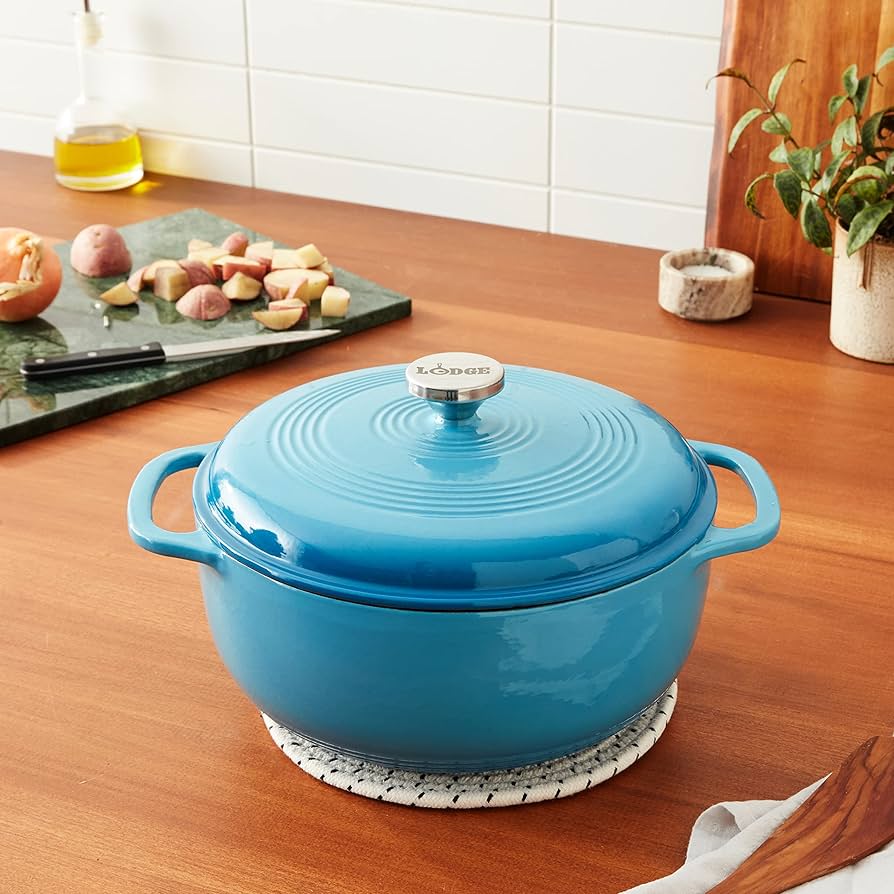
Lodge 5.5 Quart Enameled Cast Iron Dutch Oven
Professional-grade enameled cast iron Dutch oven perfect for bread baking, braising, and roasting. Oven safe to 500°F with lifetime warranty.

Instant-Read Digital Meat Thermometer
Fast and accurate digital thermometer for checking bread internal temperature. 2-second read time with backlit display.
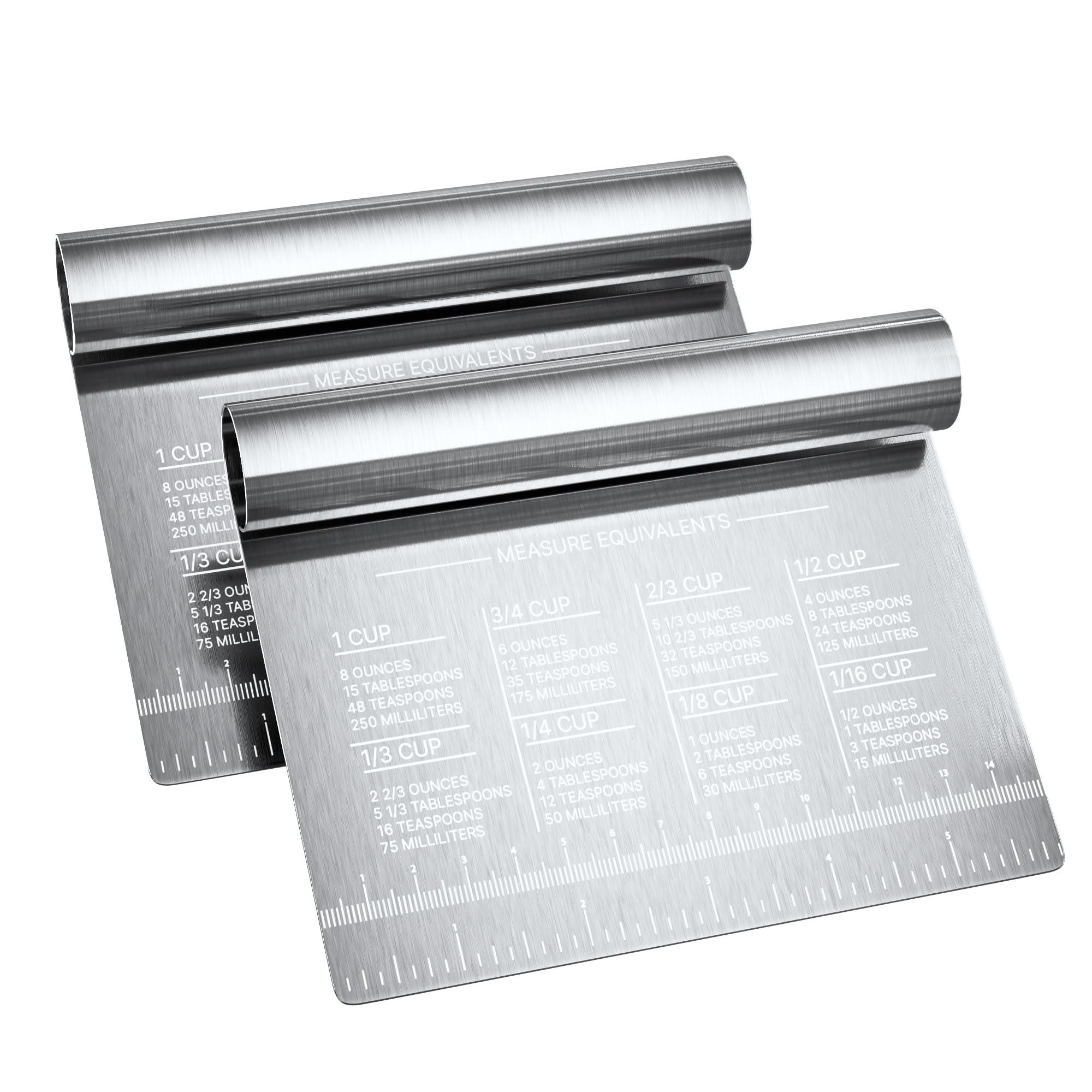
Stainless Steel Dough Scraper and Bench Knife
Professional stainless steel dough scraper for shaping, portioning, and cleaning. Essential tool for any baker.
Get Your Free Donut Recipe
Subscribe to our newsletter and get instant access to our signature donut recipe, plus weekly baking tips and troubleshooting guides.
Explore Our Full Kitchen
Discover all the tools and equipment we recommend for your baking journey.
Shop My KitchenMore from pizza
More articles coming soon in this category.