
Perfect Croissants: The Art of Lamination Mastery
Perfect Croissants: The Art of Lamination Mastery
Croissants represent the pinnacle of pastry craftsmanship. They're not just bread—they're a masterclass in precision, patience, and understanding how butter, dough, and heat interact to create something transcendent. After 20+ years in professional bakeries, we've learned that perfect croissants aren't about luck; they're about understanding the science and executing with intention.
This guide breaks down everything you need to know to bake croissants that rival the best Parisian bakeries.
Why Croissants Matter
The croissant is more than a pastry—it's a demonstration of technical mastery. Every flaky layer represents a fold, every rise represents fermentation control, and every golden-brown exterior represents precise oven management. When you nail croissants, you understand lamination, fermentation, and heat management at a level that transforms your entire baking practice.
The Science of Lamination
Lamination is the process of creating hundreds of thin layers of dough and butter. Here's what's happening:
- The Butter Barrier: When you fold butter into dough, the butter creates a moisture barrier. Steam generated during baking cannot pass through the butter, so it gets trapped between dough layers. This steam pressure pushes the layers apart, creating the characteristic flakiness.
- Gluten Development: The dough needs enough gluten to hold the layers together, but not so much that it becomes tough. We develop gluten through mixing and folding, creating a network that supports the expanding steam.
- Temperature Control: Butter has a specific melting point (around 90-93°F). If your dough gets too warm, the butter melts into the dough instead of creating distinct layers. If it's too cold, the butter cracks instead of folding smoothly. The sweet spot is 65-68°F for the dough.
Ingredients (Makes 24 Croissants)
Dough - 500g bread flour - 300ml whole milk (cold) - 50g granulated sugar - 10g salt - 7g instant yeast - 50g butter (softened, for the dough)
Lamination - 250g European butter (82% butterfat, cold) - 30g bread flour (for dusting)
Finishing - 1 egg yolk (for egg wash) - 15ml water - Fleur de sel (optional)
Step-by-Step Instructions
Phase 1: The Base Dough (Day 1 - Evening)
- Step 1: Mix the Dough
Combine cold milk, sugar, salt, and yeast in a large bowl. Let sit for 5 minutes to activate the yeast. Add flour and the 50g softened butter. Mix until a shaggy dough forms—don't overmix. The dough should be slightly sticky but manageable.
Knead for 8-10 minutes by hand or 5-6 minutes in a stand mixer on low speed until smooth and elastic. The dough should reach about 75°F.
- Step 2: First Bulk Fermentation
Place dough in a lightly oiled bowl, cover with plastic wrap, and let rest at room temperature (68-72°F) for 1-2 hours until it increases by about 50% (not fully doubled—we want controlled fermentation).
- Step 3: Lamination Prep
While the dough ferments, prepare your lamination butter. Place the cold European butter between two sheets of parchment paper. Using a rolling pin, gently pound it into a 20cm × 20cm square, about 1.5cm thick. The butter should be pliable but still cold (around 60°F). Refrigerate.
Phase 2: Lamination (Day 1 - Afternoon/Evening)
- Step 4: First Fold (Lock-In)
Turn the fermented dough onto a lightly floured surface. Roll it into a 30cm × 20cm rectangle, about 1cm thick.
Place the cold butter square in the center of the dough, leaving a 5cm border on all sides. Fold the dough edges over the butter like an envelope: - Fold the top third down - Fold the bottom third up - Fold the left third over - Fold the right third over
You've now "locked in" the butter. This is your first fold.
- Step 5: First Turn (Book Fold)
Dust the work surface lightly with flour. Roll the dough into a 40cm × 20cm rectangle, about 1cm thick. This is your first "turn."
Fold the dough into thirds like a letter: - Fold the top third down - Fold the bottom third up
You now have a 20cm × 13cm rectangle. This completes one full turn (lock-in + book fold).
- Step 6: Rest and Chill
Wrap the dough in plastic wrap and refrigerate for 30-45 minutes at 40°F. This allows the gluten to relax and the butter to firm up.
- Step 7: Second and Third Turns
Remove the dough from the fridge. Orient it so the open folds face left (this ensures you're folding in a different direction). Roll into a 40cm × 20cm rectangle and fold into thirds again. This is your second turn.
Wrap and chill for 30-45 minutes.
Repeat: Roll into a 40cm × 20cm rectangle, fold into thirds, wrap, and chill. This is your third turn.
- Step 8: Final Rest
After the third turn, wrap the dough and refrigerate overnight (or at least 4 hours). This extended rest develops flavor and allows the dough to fully relax.
Phase 3: Shaping (Day 2 - Morning)
- Step 9: Roll and Cut
Remove the dough from the fridge. Let it sit at room temperature for 5 minutes to warm slightly (this makes rolling easier).
Roll the dough into a 40cm × 60cm rectangle, about 3mm thick. Using a sharp knife or pizza cutter, cut the dough into 24 triangles: - Cut the rectangle in half lengthwise (creating two 20cm × 60cm strips) - Cut each strip into 12 triangles by making diagonal cuts
Each triangle should have a 10cm base and 20cm sides.
- Step 10: Shaping the Croissants
Take one triangle and gently stretch it slightly. Starting from the base (the 10cm side), roll the dough tightly toward the point. As you roll, the croissant should naturally curve into a crescent shape.
Place the shaped croissant on a parchment-lined baking sheet with the point tucked underneath. The curve should resemble a crescent moon.
Repeat with all triangles, spacing them about 5cm apart on the baking sheets.
Phase 4: Proofing (Day 2 - Morning/Afternoon)
- Step 11: Cold Proof (Recommended)
Cover the shaped croissants with plastic wrap and refrigerate for 8-16 hours. This extended cold proof develops flavor and makes the croissants easier to handle before baking. The cold also prevents the butter from leaking out during baking.
- Alternative: Room Temperature Proof
- If you're in a hurry, you can proof at room temperature (68-72°F) for 2-3 hours until the croissants increase by about 50% and feel puffy but still hold their shape when gently poked.
Phase 5: Baking (Day 2 or Day 3)
- Step 12: Egg Wash and Baking
Remove croissants from the fridge 15 minutes before baking. Preheat your oven to 400°F (200°C) with a baking stone or sheet on the middle rack.
Mix the egg yolk with 15ml water to create an egg wash. Gently brush each croissant with the egg wash, being careful not to deflate them. If desired, sprinkle a tiny pinch of fleur de sel on top.
Bake for 18-22 minutes until deep golden brown. The croissants should sound hollow when tapped on the bottom.
- Step 13: Cooling
Transfer the croissants to a wire rack and let cool for at least 10 minutes before serving. The inside will continue to set as they cool.
Pro Tips for Perfect Croissants
Temperature is Everything The most common mistake is letting the dough get too warm. Keep your work surface cool, use cold water, and work quickly. If the dough starts to feel warm or the butter begins to show through, refrigerate immediately.
Butter Quality Matters Use European-style butter with at least 82% butterfat. American butter (80% butterfat) can work but produces less flaky results. The higher butterfat content creates more distinct layers.
Don't Rush the Folds Each fold doubles the number of layers. Three turns create 729 layers (3^6). Rushing through folds or not fully sealing the dough will result in butter leaking out and uneven layers.
The Cold Proof is Your Friend A long, cold proof (8-16 hours in the fridge) is not a shortcut—it's the professional method. It develops flavor, prevents butter leakage, and makes the croissants easier to handle.
Watch for Oven Spring Croissants need a hot oven to create steam quickly. If your oven is too cool, the butter will melt before steam develops, and you'll get a dense, greasy croissant instead of a flaky one.
Listen to Your Croissants When they're done, they should sound hollow when tapped. If they sound dense, they need more time. If they're browning too quickly, lower the oven temperature by 25°F.
Troubleshooting
| Problem | Cause | Solution |
|---|---|---|
| Dense, greasy croissants | Dough too warm during lamination | Keep dough at 65-68°F; work quickly; refrigerate frequently |
| Butter leaking out | Insufficient sealing or dough too warm | Seal edges carefully; ensure dough is cold before baking |
| Uneven layers | Inconsistent folding or pressure | Use even pressure when rolling; fold carefully to avoid trapping air |
| Flat croissants | Insufficient proofing or weak dough | Proof until 50% rise; ensure adequate gluten development |
| Pale color | Insufficient egg wash or oven too cool | Apply egg wash generously; preheat oven to 400°F |
| Burnt exterior, raw interior | Oven too hot | Lower temperature to 375°F; bake longer |
The Flavor Development
Beyond technique, croissants are about flavor. The long fermentation develops organic acids and subtle flavors that make professional croissants taste different from rushed versions. The butter contributes richness and depth. The caramelized exterior adds complexity.
This is why we recommend the cold proof: it's not just about technique—it's about allowing time for flavor to develop naturally.
Variations to Explore
Once you master the basic croissant, you can explore variations:
- Pain au Chocolat: Use the same dough and lamination. Instead of rolling into a triangle, cut the dough into rectangles (8cm × 12cm). Place a chocolate bar in the center and fold the dough around it.
- Almond Croissants: After baking, slice the croissant horizontally and fill with almond cream and sliced almonds. Brush with apricot glaze.
- Savory Croissants: Add grated cheese, herbs, or cured meat to the dough before lamination.
Final Thoughts
Croissants demand respect. They require precision, patience, and an understanding of how ingredients interact. But when you pull a batch of golden, flaky croissants from the oven—when you hear that satisfying crunch as you bite through the exterior and experience the delicate layers inside—you'll understand why we've spent 20+ years perfecting this craft.
The croissant isn't just a pastry. It's a meditation on technique, a celebration of butter, and proof that with the right knowledge and intention, you can create something extraordinary in your home kitchen.
Now go make some croissants. Your kitchen is about to smell incredible.
Recommended Tools for Perfect Croissants: The Art of Lamination Mastery
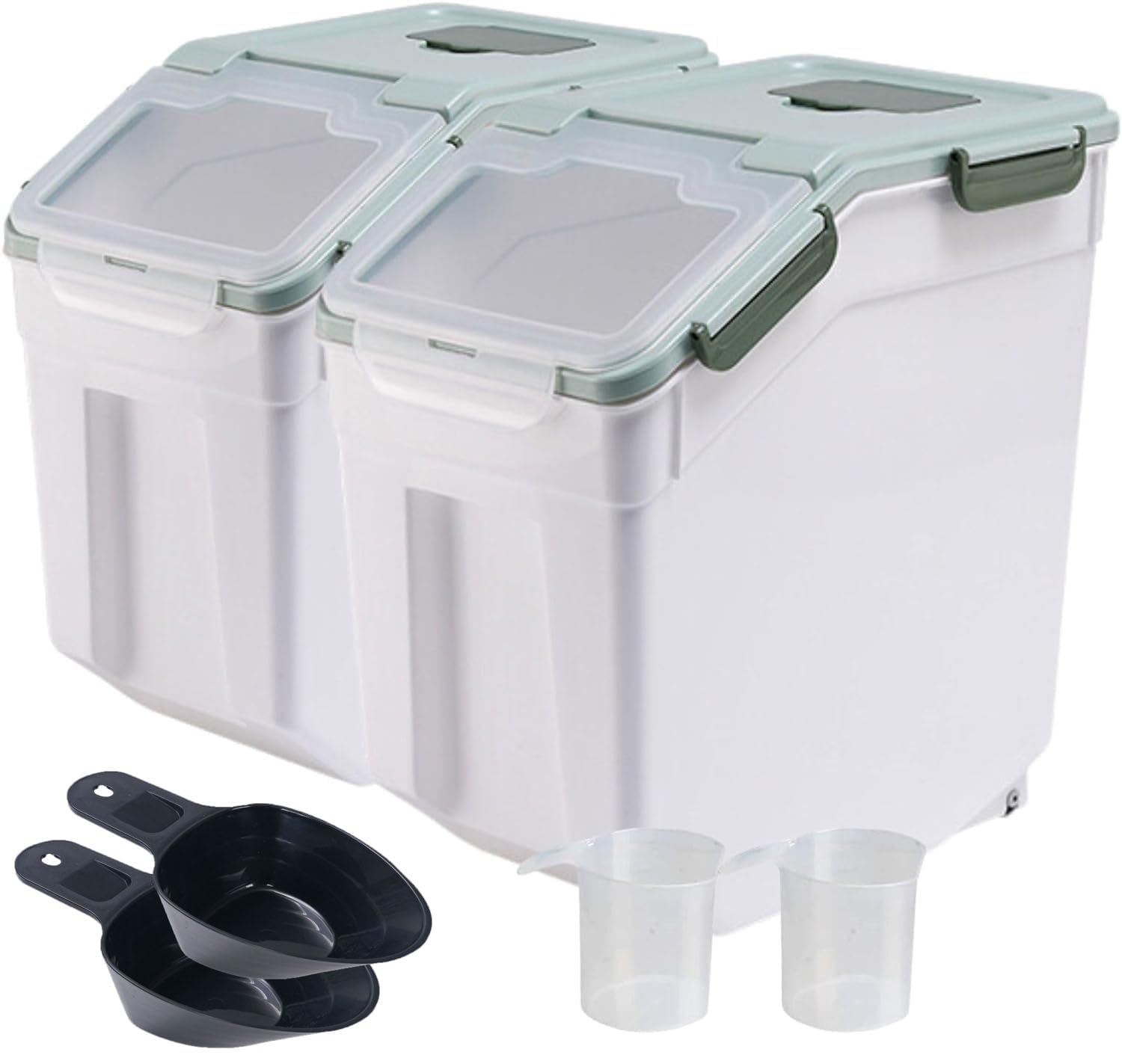
Airtight Flour Storage Containers (Set of 4)
BPA-free airtight containers perfect for storing flour, grains, and baking ingredients. Stackable with easy pour spouts.
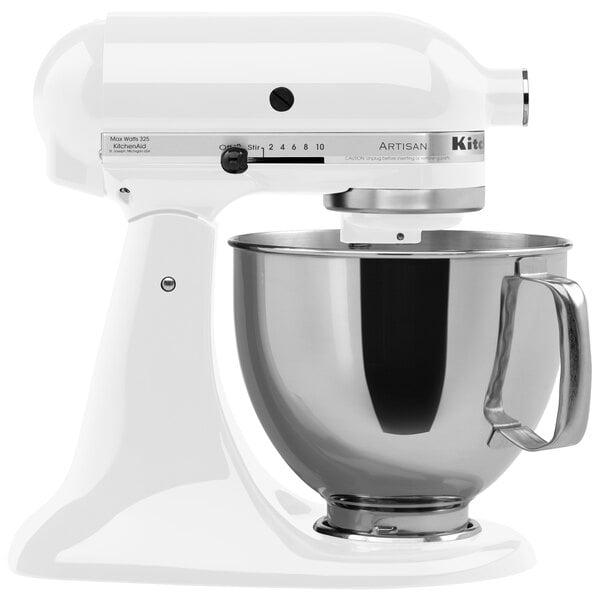
KitchenAid Artisan Series 5-Quart Stand Mixer
Professional stand mixer with 10 speeds, perfect for dough mixing, bread making, and baking. Coated flat mixing paddle and dough hook included.
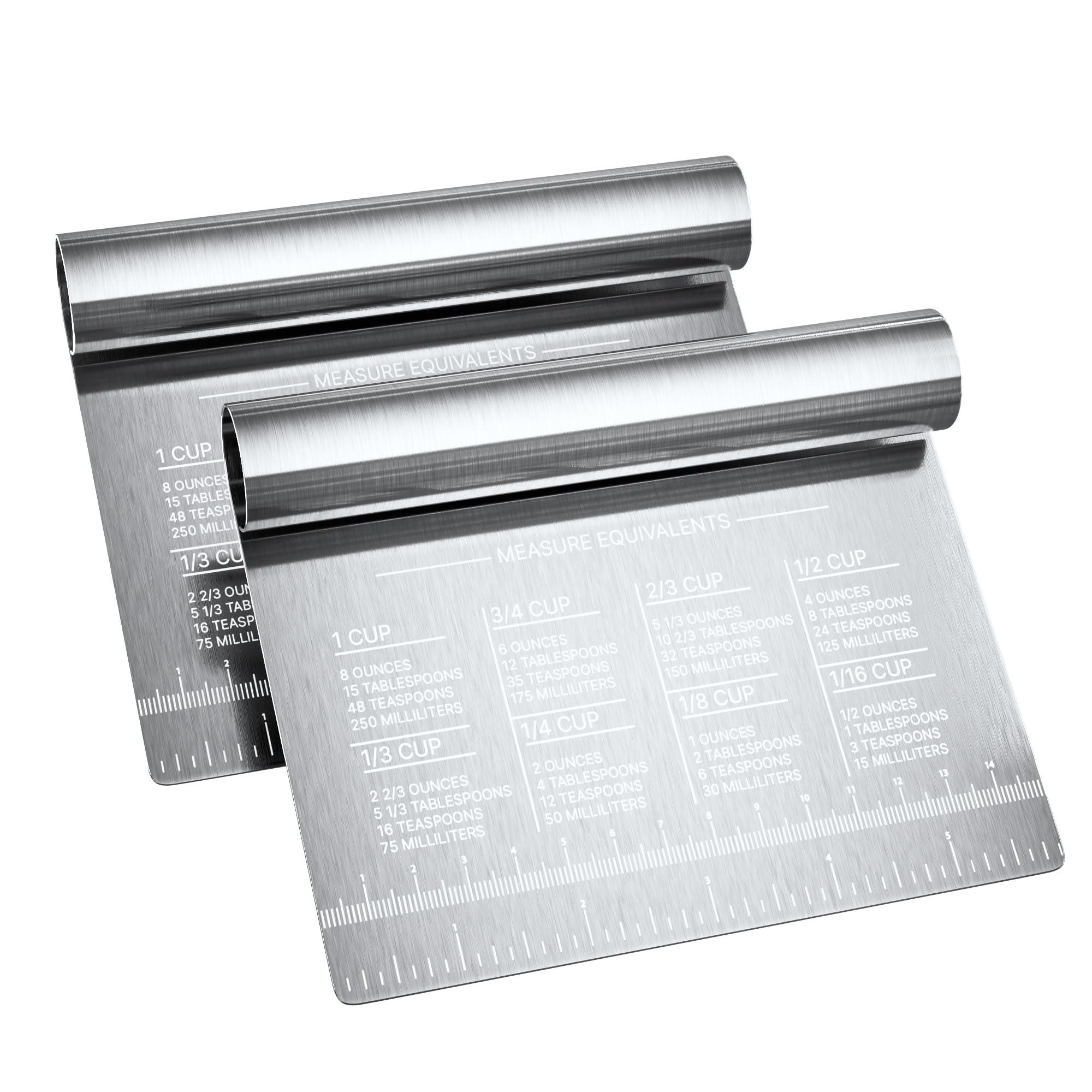
Professional Dough Scraper Set
Complete set of professional dough scrapers for laminated doughs, croissants, and pastries.
Get Your Free Donut Recipe
Subscribe to our newsletter and get instant access to our signature donut recipe, plus weekly baking tips and troubleshooting guides.
Explore Our Full Kitchen
Discover all the tools and equipment we recommend for your baking journey.
Shop My KitchenMore from pastry
More articles coming soon in this category.